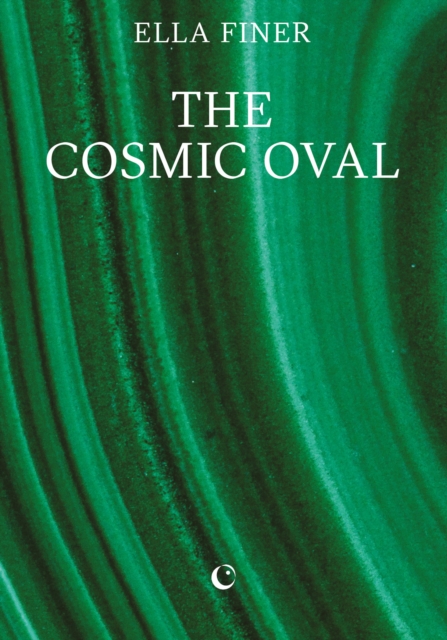
The Cosmic Oval
3.190 kr.The Cosmic Oval is an elliptical entrance into an exploration of feminist cosmologies, storytelling and the many ways of knowing and imagining the hot blue beginnings of time. By turn dreaming and waking, Ella Finer’s essay enters history and imagination from the sleep side, taking its cue from Anne Carson. Finer attends to cultural memory as composition, gathering cosmic guides with whom to listen beyond what is given to hear.
In west London, the entrance to architect and theorist Charles Jencks’ Cosmic House is overlooked by The Cosmic Oval, a representation of the origin of the universe referencing both contemporary scientific discoveries about its elliptical shape and ancient cosmogonic myths. Invited by the Cosmic House to write an imagined conversation between figures who inhabit the frieze surrounding the Oval, such as Hannah Arendt, Imhotep and John Donne, Finer re-orchestrates cultural history to explore social scenes of study and the way knowledge moves through bodies and time.
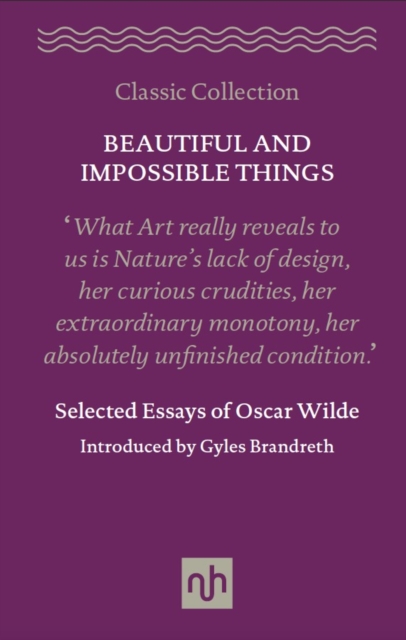
Sauntering: Writers Walk Europe
4.390 kr.This latest collection of walking literature from Notting Hill Editions celebrates the allure of the Continent.
On foot the world comes our way. We get close to the Continent’s alpine ranges, arterial rivers, expansive coastlines. Close to its ancient cities and mysterious thoroughfares; and close to the walkers themselves—the Grand Tourers and explorers, strollers and saunterers, on their hikes and quests, parades and urban drifts.
Sauntering features sixty walker-writers—classic and current—who roam Europe by foot. Twenty-two countries are traversed. We join Henriette d’Angeville, the second woman to climb Mont Blanc; Nellie Bly roaming the trenches of the First World War; Werner Herzog on a personal pilgrimage through Germany; Hans Christian Andersen in quarantine; Joseph Conrad in Cracow; Rebecca Solnit reimagining change on the streets of Prague; and Robert Macfarlane dropping deep into underground Paris.
Contributors include: Patrick Leigh Fermor; John Hillaby; Robert Walser; Henriette d’Angeville; Joseph Roth; Joanna Kavenna; Richard Wright; Werner Herzog; Robert Antelme; George Sand; Rainer Maria Rilke; Robert Macfarlane; Rebecca Solnit; Kate Humble; Nicholas Luard; Edith Wharton; Elizabeth von Armin; Joseph Conrad; D. H. Lawrence; Vernon Lee; Guy Debord, Mark Twain, Thomas Coryat, and more.
Feeding the Monster: Why horror has a hold on us
3.690 kr.Zombies want brains. Vampires want blood. Cannibals want human flesh.
All monsters need feeding. Horror has been embraced by mainstream pop culture more than ever before, with horror characters and aesthetics infecting TV, music videos and even TikTok trends. Yet even with the commercial and critical success of The Babadook, Hereditary, Get Out, The Haunting of Hill House, Yellowjackets and countless other horror films and TV series over the last few years, loving the genre still prompts the question: what’s wrong with you? Implying, of course, that there is something not quite right about the people who make and consume it.
In Feeding the Monster, Anna Bogutskaya dispels this notion once and for all by examining how horror responds to and fuels our feelings of fear, anxiety, pain, hunger and power.
Things in Nature Merely Grow
4.690 kr.A remarkable, defiant work of radical acceptance from acclaimed Pulitzer Prize finalist Yiyun Li as she considers the loss of her son James. ‘There is no good way to say this,’ Yiyun Li writes at the beginning of this book. ‘There is no good way to state these facts, which must be acknowledged.
My husband and I had two children and lost them both: Vincent in 2017, at sixteen, James in 2024, at nineteen. Both chose suicide, and both died not far from home.’ There is no good way to say this – because words fall short. It takes only an instant for death to become fact, ‘a single point in a timeline’.
Living now on this single point, Li turns to thinking and reasoning and searching for words that might hold a place for James. Li does what she can: including not just writing but gardening, reading Camus and Wittgenstein, learning the piano, and living thinkingly alongside death. This is a book for James, but it is not a book about grieving.
As Li writes, ‘The verb that does not die is to be. Vincent was and is and will always be Vincent. James was and is and will always be James.
Who Killed My Father
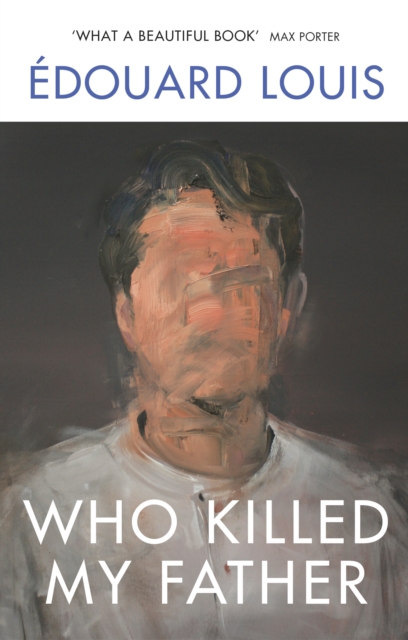
3.490 kr.In Who Killed My Father, Édouard Louis explores key moments in his father’s life, and the tenderness and disconnects in their relationship.
Told with the fire of a writer determined on social justice, and with the compassion of a loving son, the book urgently and brilliantly engages with issues surrounding masculinity, class, homophobia, shame and social poverty. It unflinchingly takes aim at systems that disadvantage those they seek to exclude – those who have their expectations, hopes and passions crushed by a society which gives them little thought.
We Are Not Numbers: The Voices of Gaza’s Youth
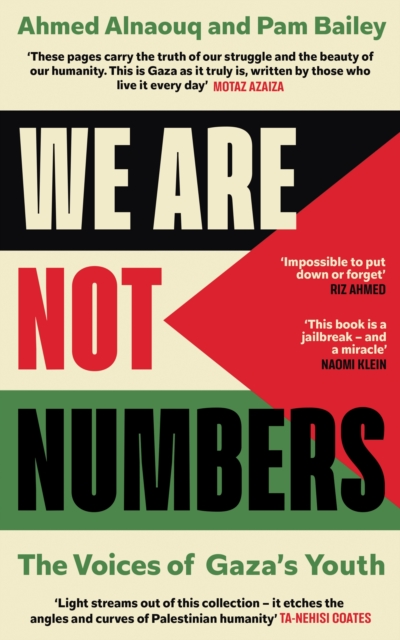
4.390 kr.A teenage girl stares at her roof, hoping it won’t collapse over her head. A young student searches the Internet for photos of libraries around the world, hoping he’ll be able to visit them one day. Another walks around the city, taking notes of all the buildings she dreams of repairing.
These are the stories of young people from Gaza, born under Israeli occupation and blockade. They are people who have endured unspeakable struggles and losses, who keep fighting to be recognised not as numbers, but as human beings with hopes, dreams and lives worth living.
We Are Not Numbers was founded in 2014 to give voice to the youth of Gaza. In this collection, vital, urgent and full of heart, spanning over ten years to the present moment, we gain an unparalleled insight into the past, as well as the current and next generation of Palestinian leaders, artists, scientists and scholars and imagine where we might go from here.
Brief Notes on the Art and Manner of Arranging One’s Books
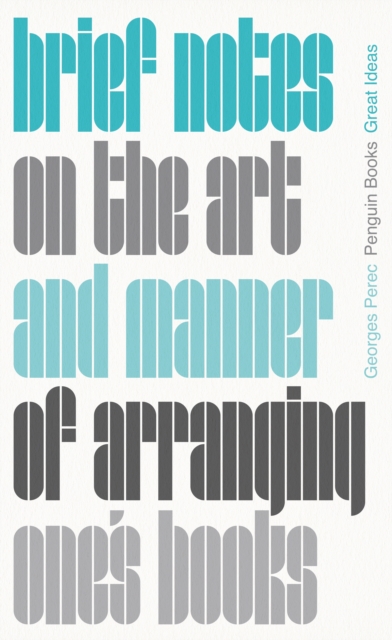
2.990 kr.One of the most singular and extravagant imaginations of the twentieth century, the novelist and essayist Georges Perec was a true original who delighted in wordplay, puzzles, taxonomies and seeing the extraordinary in the everyday. In these virtuoso writings about books and language, he discusses different ways of reading, a list of the things he really must do before he dies and the power of words to overcome the chaos of the world.
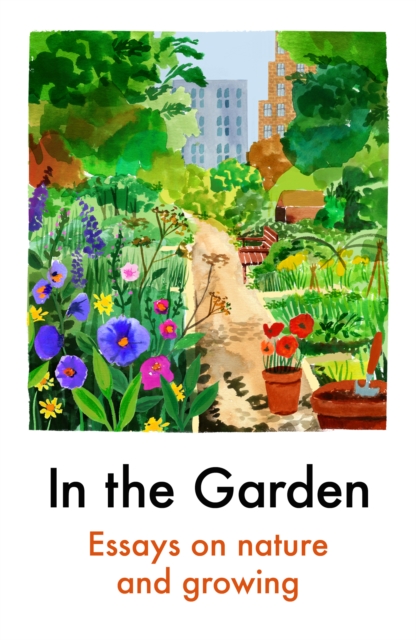
In the Garden: Essay on Nature and Growing
3.490 kr.Outdoor space is something everyone should have access to. But you don’t need a garden to become a gardener.
Growing plants and vegetables forces us to pause, pay attention and look more closely. From the vantage point of even the smallest windowsill garden we can observe the passing of time through the shifting of the seasons, as well as the environmental changes the planet is undergoing.
In this collection of essays, fourteen writers go beyond simply considering a plot of soil to explore how gardening is a shared language, an opportunity for connection, something that is always evolving. Penelope Lively trains her gardening eye on her gardens past and present; Paul Mendez reflects on the image of the paradisal garden; Jon Day asks whether an urban community garden can be a radical place; and Victoria Adukwei Bulley considers the power of herbs and why there is no such thing as a weed.
A collection about gardening unlike any other, In the Garden brings together fourteen brilliant writers to interrogate what is most important and pressing about growing today.
Tales from the Heart : True Stories from my Childhood
2.490 kr.‘I walked in a daze of illusions toward my future.’
Deeply felt and told with an intrepid spirit, Tales from the Heart are the intimate, formative stories from the childhood of the legendary Caribbean writer, Maryse Condé. These affecting vignettes follow Condé’s early encounters with love, grief, friendship, as she navigates the pernicious legacy of slavery and colonialism in her home of Guadeloupe and as a student in Paris.
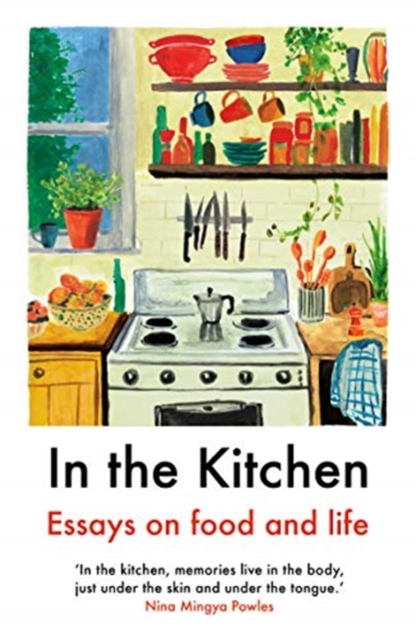
In The Kitchen: Essays on food and life
3.490 kr.‘A delightful collection of original, vibrant and heart-warming writing.’ – Nigel Slater
‘I learned that before entering the kitchen, I must get the measure of its hold over me.’
Food can embody our personal history as well as wider cultural histories. But what are the stories we tell ourselves about the kitchen, and how do we first come to it? How do the cookbooks we read shape us? Can cooking be a tool for connection in the kitchen and outside of it?
In these essays thirteen writers consider the subjects of cooking and eating and how they shape our lives, and the possibilities and limitations the kitchen poses. Rachel Roddy traces an alternative personal history through the cookers in her life; Rebecca May Johnson considers the radical potential of finger food; Ruby Tandoh discovers other definitions of sweetness through the work of writer Doreen Fernandez; Yemisí Aríbisálà remembers a love affair in which food failed as a language; and Julia Turshen considers food’s ties to community.
A collection to savour and inspire, In the Kitchen brings together thirteen contemporary writers whose work brilliantly explores food, capturing their reflections on their experiences in the kitchen and beyond.
Contributors
Juliet Annan
Yemisí Aríbisálà
Laura Freeman
Joel Golby
Daisy Johnson
Rebecca May Johnson
Rebecca Liu
Nina Mingya Powles
Ella Risbridger
Rachel Roddy
Mayukh Sen
Ruby Tandoh
Julia Turshen
‘A moving and beautiful tribute to food and taste and how these essential things wrap themselves round the colour of our lives.’ – Stylist
‘Immerse yourself in the culinary charms of this foodie essay collection.’ – Town & Country
‘This warming and varied collection of essays on food, cooking and all the emotions that get tangled up in the process, is a true balm.’ – New Statesman
‘In the Kitchen is literary comfort food for the soul and I heartily recommend it.’ – Idler
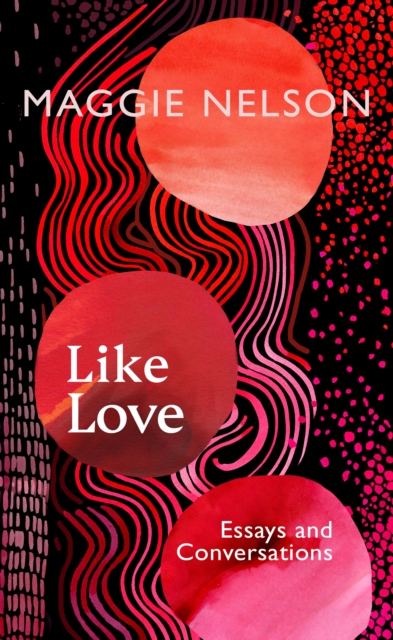
Like Love: Essays and Conversations
3.690 kr.Like Love is a momentous, raucous collection of essays drawn from twenty years of Maggie Nelson’s brilliant work. These profiles, reviews, remembrances, tributes and critical essays, as well as several conversations with friends and idols, bring to life Nelson’s passion for dialogue and dissent. The range of subjects is wide – from Prince to Carolee Schneemann to Matthew Barney to Lhasa de Sela to Kara Walker – but certain themes recur: intergenerational exchange; love and friendship; feminist and queer issues, especially as they shift over time; subversion, transgression and perversity; the roles of the critic and language in relation to visual and performance arts; forces that feed or impede certain bodies and creators; and the fruits and follies of a life spent devoted to making.
Arranged chronologically, Like Love shows the writing, thinking, feeling, reading, looking and conversing that occupied Nelson while writing iconic books such as Bluets and The Argonauts. As such, it is a portrait of a time, an anarchic party rich with wild guests, a window into Nelson’s own development and a testament to the profound sustenance offered by art and artists.
On Dogs: An Anthology
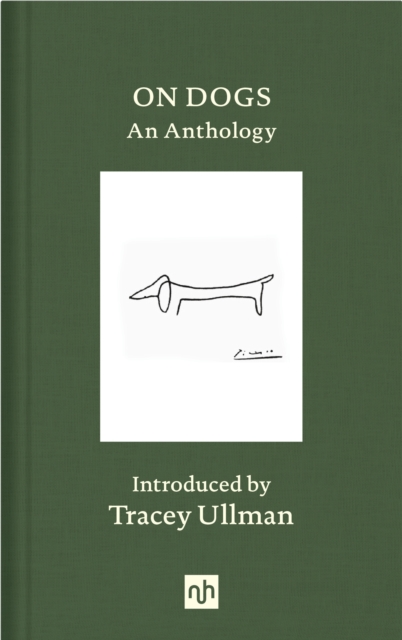
4.390 kr.Dogs throughout history have enjoyed a special relationship with humankind, and our favourite four-legged creatures continue to grow in popularity. The writers and poets collected within this anthology reflect on the joys and pitfalls of dog ownership with brilliant wit, insight, and affection. From Roald Amundsen’s account of using and eating sled dogs in his expedition to the South Pole, to J.R. Ackerley’s tender portrayal of his ill-behaved dog Tulip, ON DOGS traces the canine’s journey from working animal to pampered pet. With a humorous introduction by Tracey Ullman (an inveterate adopter of strays), and 6 characterful dog portraits by animal photographer Rhian ap Gruffydd and a cover image by Picasso of his dog Lump. Contributors include Alice Walker, Charles Dickens, James Thurber, Miranda Hart, Brigitte Bardot, A.A. Gill, David Sedaris, Barbara Woodhouse, and many more.
Essays on the Self
4.390 kr.Things I Don’t Want to Know is a unique response to George Orwell from one of our most vital contemporary writers. Taking Orwell’s famous list of motives for writing as the jumping-off point for a sequence of thrilling reflections on the writing life, this is a perfect companion not just to Orwell’s essay, but also to Levy’s own, essential oeuvre.
Flower
3.990 kr.‘I like eating cold, clammy wraps from big pharmacies that are open late and sell just a few foods like protein bars and powders.’ Flower is a book of realistic admissions, likes, dislikes, memories and no-brainer observations, treating personal truth as unavailable – something that must be made up and convincing. Taking cues from confessional literature, his daughter’s improvised games, poor internet writing and shitty AI, Ed Atkins, in his first work of non-fiction, equivocates between inanity and divinity, ease and pain, sentimentality and sterility.
The Gender of Sound
2.990 kr.Human history is filled with unacceptable sounds: high-pitched voices, gossip, talkativeness, hysteria, wailing and ritual shouts. Who makes them? Those deviant from or deficient in the masculine ideal of self-control: women, catamites, eunuchs and androgynes all fall into this category.
From the myths of antiquity to Margaret Thatcher via Sigmund Freud and Gertrude Stein, The Gender of Sound charts the gendering of sound in Western culture. Carson invites us to listen again, and in doing so to reimagine our conceptions of human order, virtue and selfhood.
Putting a door on the female mouth has been an important project of patriarchal culture from antiquity to the present day. Its chief tactic is an ideological association of female sound with monstrosity, disorder and death.
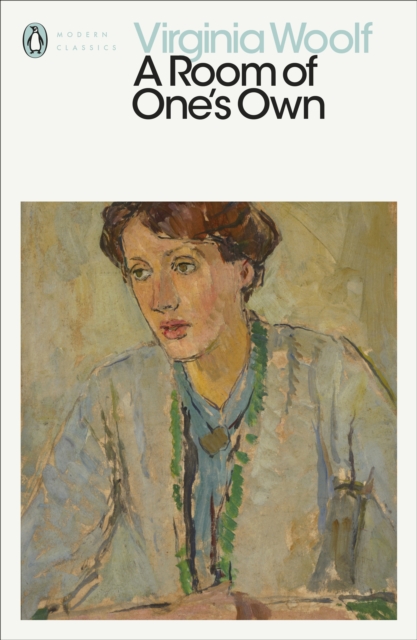
A Room of One’s Own
2.590 kr.”But, you may say, we asked you to speak about women and fiction – what has that got to do with a room of one”s own?”
A Room of One’s Own grew out of a lecture that Virginia Woolf had been invited to give at Girton College, Cambridge in 1928 and became a landmark work of feminist thought.
Covering everything from why a woman must have money and a room of her own if she is to write, to authors such as Jane Austen, Aphra Behn and the Brontë sisters, and the tragic story of Shakespeare’s fictional sister Judith, it remains a passionate assertion for female creativity and independence in a world dominated by men.