-
Cafés
3.990 kr.Shortlisted for the T. S. Eliot Prize 2026.
Welcome to Cafés! Somewhere to eat and forget about work, where we can meet friends and not think about love, where we can meet lovers and be too nervous to eat. In Holly Pester’s unique lyric, the café becomes a structure of fantasy and language exploring life at the pressurized edges. It becomes a form – a canto or a verse – unearthing what this space promises us in terms of freedom and thought, and what it holds back.
In each iteration, the café remakes itself through the people who pass through it. A worker tries to run a café franchise. A lover sits in the corner, waiting.
A woman mourns a friendship while contemplating age and childlessness. An artist tries to launch an art café and hosts an open mic. Both a stylish political intervention and an elegy for communal space, Holly Pester’s newest collection reaffirms her as one of the most exciting poets of our time.
-

Microscripts
4.990 kr.A Chirstine Burgin co-publication Now in paperback, with newly translated, additional microscripts and full-color paintings by Maira Kalman.
Robert Walser wrote many of his manuscripts in a highly enigmatic, shrunken-down form. These narrow strips of paper (many of them written during his hospitalization in the Waldau sanatorium) covered with tiny ant-like markings only a millimeter or two high, came to light only after the author’s death in 1956. At first considered a secret code, the microscripts were eventually discovered to be a radically miniaturized form of a Germanic script: a whole story could fit on the back of a business card. Selected from the six-volume German transcriptions from the original microscripts, these twenty-five short pieces are gathered in this gorgeously illustrated co-publication with the Christine Burgin Gallery. Each microscript is reproduced in full color in its original form: the detached cover of a trashy crime novel, a disappointing letter, a receipt of payment. Sometimes Walser used the pages of small tear-off calendars (but only after cutting them lengthwise and filling up each half with text). Schnapps, rotten husbands, small town life, the radio, pigs (and how none of us can deny being one), jealousy, Van Gogh and marriage proposals are some of Walser’s subjects. These texts take strength from Walser’s motto: “To be small and to stay small.”
-

Things That Disappear
3.690 kr.The bestselling and award-winning German author Jenny Erpenbeck has gained international praise for her novels including Visitation, Kairos, and Go, Went, Gone. Things That Disappear is an exciting collection of interlinked miniature prose pieces that grapple with the phenomenon of disappearance on scales both large and small. The things that disappear in these pages range from everyday objects such as socks and cheese to close friends and the social norms of common courtesy, to sites and objects resonant with East German history, such as the Palace of the Republic or the lines of sight now blocked by new construction in Berlin. Erpenbeck asks: “Is there a perpetrator who makes things that I know and cherish disappear?” These things disappear, and yet do they really? Do they remain in our memories more fully than if they continued to exist? Translated beautifully by Kurt Beals, Things That Disappear follows on the heels of Erpenbeck’s Booker Prize–winning novel Kairos and offers a window into a renowned writer’s sense of the past, and of her own self as a writer.
-

Pensilskrift
4.890 kr.Tímamótaverk með hátt í 200 smáprósum sem rúma ótal persónur, þankabrot og atburði með fjölþættum spunaþráðum. Upphaflega gefin út ásamt systurbókinni, Þöglu myndunum, haustið 2022 og hlaut frábærar viðtökur en seldist fljótlega upp. Þessi nýja útgáfa er hluti af ritsafni Gyrðis Elíassonar.
-

Þöglu myndirnar
4.890 kr.Margradda og magnað verk! Vel á annað hundrað smáprósar, þar sem birtist fjöldi persóna og alls kyns óvænt atvik eiga sér stað. Ásamt systurbókinni, Pensilskrift, sem kom samtímis út haustið 2022, hlaut bókin afar góðar viðtökur og seldist fljótlega upp. Þessi nýja útgáfa er hluti af ritsafni Gyrðis Elíassonar.
-
The Walk
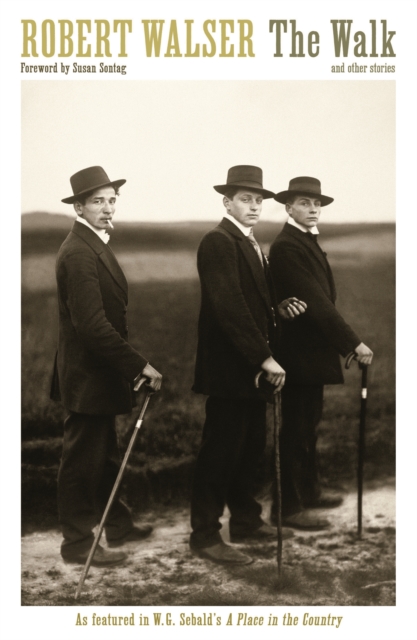
3.690 kr.Ranging from one-page fantasies to novella-length studies of everyday existence, The Walk reveals the irresistible genius of one of the twentieth century”s greatest writers. Under-appreciated even in his own lifetime, Robert Walser has nonetheless been recognised by such writers as W.G. Sebald, Susan Sontag, Franz Kafka, Herman Hesse and J.M. Coetzee.
Like Kafka and Sebald, Walser wrote about the solitude and unease of human existence. Honest, wry and idiosyncratic, his stories are snapshots of the lives great artists, poor young men, beautiful women and talking animals alike. Ranging from the realist to the allegorical, the short fiction collected in this volume demonstrates Walser”s uncanny ability to capture both life”s strangeness and its small joys.
-
-
-
-
Dagskammtar
3.490 kr.Dagskammtar samanstendur af stuttum textum í lausu máli. Margir textanna tengjast ákveðnum atvikum, en aðrir eru fremur hugleiðingar eða þankabrot sem finna sér leið inn í hversdaginn. Líta má á textana sem eins konar dagbókarfærslur þar sem „ég“ frásagnarinnar miðlar reynslu sinni af atvikum og fyrirbærum daganna.
„Í dag er búið að vera mistur og rigning, en nú virðist vera að rofa til. Það er alveg logn og ég er ein á gangi á Sólvallagötunni. Nokkrum sólargeislum tekst að brjótast gegnum mistrið um leið og það hellist yfir mig skyndilegt regn. Það er þá sem ég sé regnbogann. Hann spennir marglitan bogann yfir nesið með annan endann í Faxaflóanum og hinn í Skerjafirðinum. Hann er rétt hjá mér, kannski í nokkur hundruð metra fjarlægð. Ósjálfrátt herði ég gönguna. Áður en ég veit af er ég farin að hlaupa.“
-
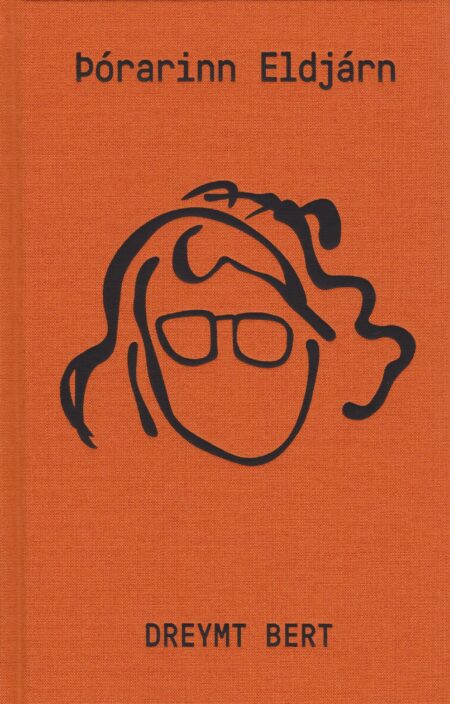
Dreymt bert
5.990 kr.Dreymt bert hefur að geyma prósaljóð og/eða örsögur sem áður hafa birst í bókum Þórarins Eldjárns.
Hér fá textarnir að viðra sig í nýju samhengi og í samspili við nýjar myndir eftir Ingu Maríu Brynjarsdóttur.
„Smáprósar Þórarins standa föstum fótum í raunveruleikanum og þurfa samt ekki á honum að halda; í þeirri þversögn blómstrar Þórarinn. Skemmtir þar sjálfum sér og lesendum“ segir Jón Kalman Stefánsson í káputexta.
-