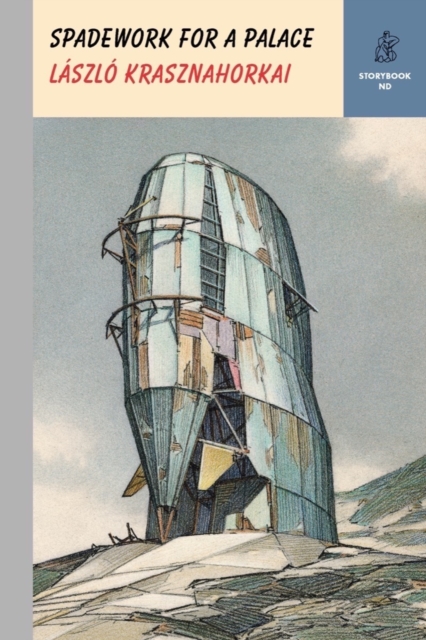
Spadework for a Palace
4.390 kr.Spadework for a Palace bears the subtitle “Entering the Madness of Others” and offers an epigraph: “Reality is no obstacle.” Indeed. This high-octane obsessive rant vaults over all obstacles, fueled by the idées fixe of a “gray little librarian” with fallen arches whose name—mr herman melvill—is merely one of the coincidences binding him to his lodestar Herman Melville (“I too resided on East 26th Street . . . I, too, had worked for a while at the Customs Office”), which itself is just one aspect of his also being “constantly conscious of his connectedness” to Lebbeus Woods, to the rock that is Manhattan, to the “drunkard Lowry” and his Lunar Caustic, to Bartok. And with this consciousness of connection he is not only gaining true knowledge of Melville, but also tracing the paths to “a Serene Paradise of Knowledge.” Driven to save that Palace (a higher library he also serves), he loses his job and his wife leaves him, but “people must be told the truth: there is no dualism in existence.” And his dream will be “realized, for I am not giving up: I am merely a day-laborer, a spade-worker on this dream, a herman melvill, a librarian from the lending desk, currently an inmate at Bellevue, but at the same time—may I say this?—actually a Keeper of the Palace.”
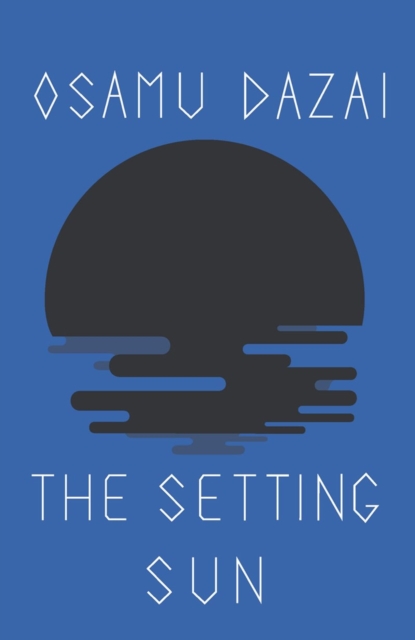
The Setting Sun
3.690 kr.Set in the early postwar years, it probes the destructive effects of war and the transition from a feudal Japan to an industrial society. Ozamu Dazai died, a suicide, in 1948. But the influence of his book has made “people of the setting sun” a permanent part of the Japanese language, and his heroine, Kazuko, a young aristocrat who deliberately abandons her class, a symbol of the anomie which pervades so much of the modern world.
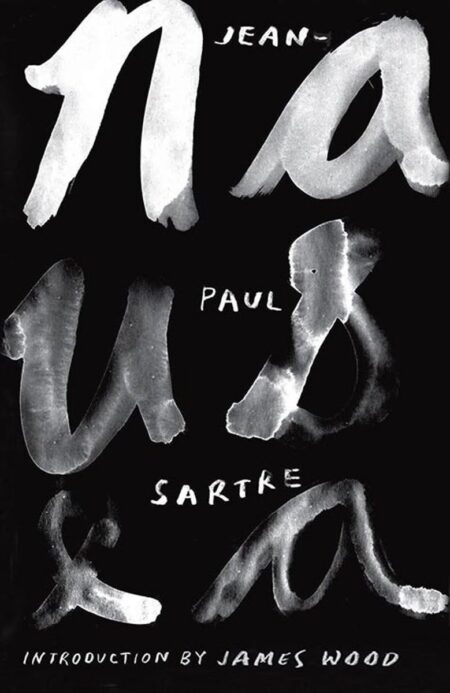
Nausea
3.490 kr.Nausea is the story of Antoine Roquentin, a French writer who is horrified at his own existence. In impressionistic, diary form he ruthlessly catalogs his every feeling and sensation. His thoughts culminate in a pervasive, overpowering feeling of nausea which “spreads at the bottom of the viscous puddle, at the bottom of our time ― the time of purple suspenders and broken chair seats; it is made of wide, soft instants, spreading at the edge, like an oil stain.”
Winner of the 1964 Nobel Prize in Literature (though he declined to accept it), Jean-Paul Sartre ― philosopher, critic, novelist, and dramatist ― holds a position of singular eminence in the world of French letters. La Nausée, his first and best novel, is a landmark in Existential fiction and a key work of the twentieth century.
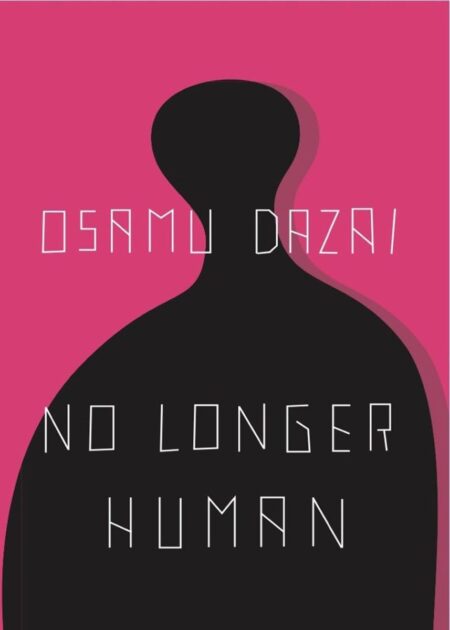
No Longer Human
3.690 kr.The poignant and fascinating story of a young man who is caught between the breakup of the traditions of a northern Japanese aristocratic family and the impact of Western ideas.
Portraying himself as a failure, the protagonist of Osamu Dazai’s No Longer Human narrates a seemingly normal life even while he feels himself incapable of understanding human beings. Oba Yozo’s attempts to reconcile himself to the world around him begin in early childhood, continue through high school, where he becomes a “clown” to mask his alienation, and eventually lead to a failed suicide attempt as an adult. Without sentimentality, he records the casual cruelties of life and its fleeting moments of human connection and tenderness.