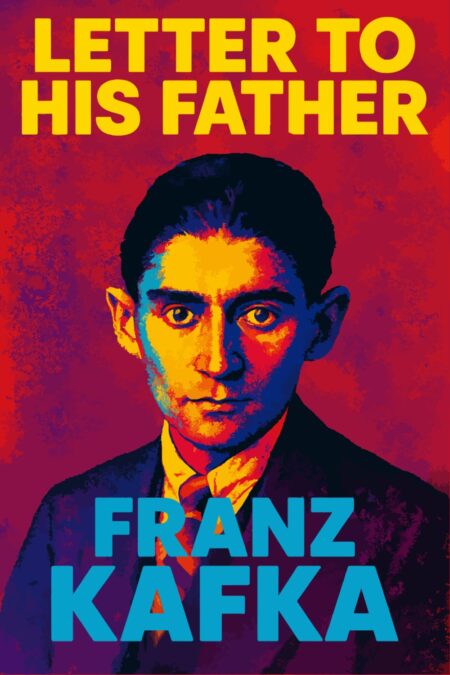
Letter to His Father
2.990 kr.Letter to His Father (Brief an den Vater, 1919) by Franz Kafka is one of the most revealing autobiographical letters in twentieth-century literature. This powerful existential classic exposes the deep conflict between father and son, capturing the tension, guilt, and emotional paralysis that shaped Kafka’s life and work. Written in 1919 but never sent, the letter stands as a key document in German modernism and remains one of the most important psychological memoirs of the modern era.
In this English translation, readers encounter Kafka’s precise and penetrating analysis of family trauma and personal alienation. The letter unfolds as a study of psychological conflict, exploring the crushing weight of paternal authority and the fragile struggle for individuality. Those familiar with The Metamorphosis, The Trial, or The Castle will recognize the same sense of powerlessness and existential dread, here rendered with complete honesty and without the veil of fiction.
This edition of Letter to His Father is essential reading for anyone interested in European literature of the early twentieth century, modernist classics, or the psychology of family relationships. It will appeal to readers who study literary analysis, autobiographical writing, and philosophical fiction, as well as those exploring introspective memoirs and psychoanalytic literature. A cornerstone of modern European literature, this work provides an intimate look into the mind of the author of The Metamorphosis and reveals the origins of the existential questions that define Franz Kafka’s enduring legacy.
Letters to Milena
3.490 kr.Franz Kafka’s letters to his one-time muse, Milena Jesenska – an intimate window into the desires and hopes of the twentieth-century’s most prophetic and important writer.
Kafka first made the acquaintance of Milena Jesenska in 1920 when she was translating his early short prose into Czech. Their relationship quickly developed into a deep attachment. Such was his feeling for her that Kafka showed her his diaries and, in doing so, laid bare his heart and his conscience. While at times Milena’s ‘genius for living’ gave Kafka new life, it ultimately exhausted him, and their relationship was to last little over two years. In 1924 Kafka died in a sanatorium near Vienna, and Milena died in 1944 at the hands of the Nazis, leaving these letters as a moving record of their relationship.