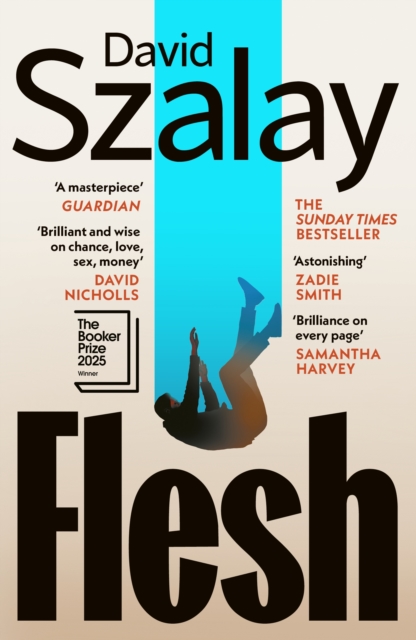
Flesh
3.490 kr.Through chance, luck and choice, one man’s life takes him from a modest apartment in Hungary to the elite society of London…
Fifteen-year-old István lives with his mother in a quiet apartment complex in Hungary. New to the town and shy, he becomes isolated, with his neighbour – a married woman – as his only companion. When a clandestine relationship begins between them, his life spirals out of control.
As the years pass, István moves from the army to the circles of London’s elite. His competing impulses for love, intimacy, status and wealth win him unimaginable riches, until they threaten to undo him completely.
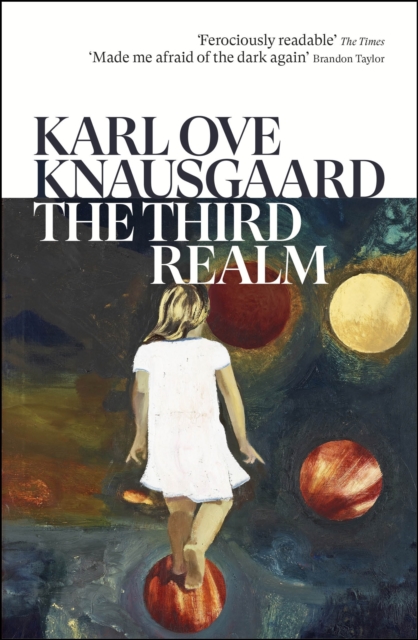
The Third Realm
3.990 kr.If no one ever died, what would happen then?
For several days, a bright new star in the sky above Norway has blazed over the restless lives of those below. Tove, an artist, is consumed by intense creativity as she spirals towards psychosis. Line falls in love with a musician named Valdemar and is lured to a secret black metal gig in a remote forest. Geir, a policeman, is investigating a ritual murder but chances upon something more horrifying even than the bodies in the trees – the last bodies he sees, because, as undertaker Syvert is the first to realise, people have stopped dying since the star appeared.
What is haunting the world – and why?
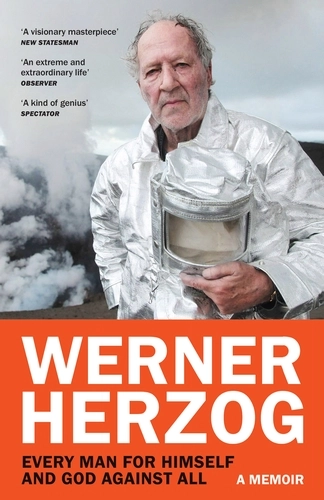
Every Man for Himself and God Against All
3.690 kr.Legendary filmmaker and celebrated author Werner Herzog tells in his inimitable voice the story of his epic artistic career in a long-awaited memoir that is as inventive and daring as anything he has done before
Werner Herzog was born in September 1942 in Munich, Germany, at a turning point in the Second World War. Soon Germany would be defeated and a new world would have to be made out the rubble and horrors of the war. Fleeing the Allied bombing raids, Herzog’s mother took him and his older brother to a remote, rustic part of Bavaria where he would spend much of his childhood hungry, without running water, in deep poverty. It was there, as the new postwar order was emerging, that one of the most visionary filmmakers of the next seven decades was formed.
Until age 11, Herzog did not even know of the existence of cinema. His interest in films began at age 15, but since no one was willing to finance them, he worked the night shift as a welder in a steel factory. He started to travel on foot. He made his first phone call at age 17, and his first film in 1961 at age 19. The wildly productive working life that followed—spanning the seven continents and encompassing both documentary and fiction—was an adventure as grand and otherworldly as any depicted in his many classic films.
Every Man for Himself and God Against All is at once a personal record of one of the great and self-invented lives of our time, and a singular literary masterpiece that will enthrall fans old and new alike. In a hypnotic swirl of memory, Herzog untangles and relives his most important experiences and inspirations, telling his story for the first and only time.
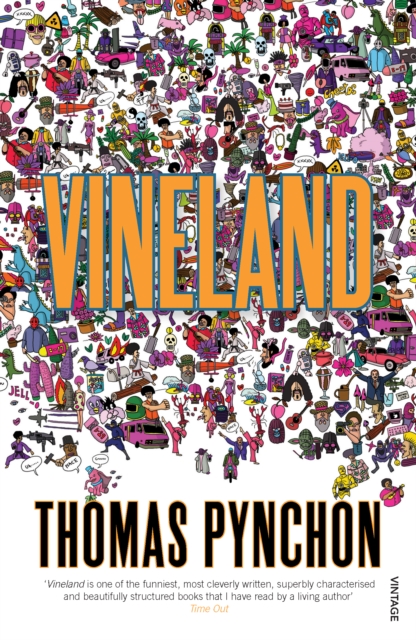
Vineland
3.690 kr.The inspiration for One Battle After Another
Thomas Pynchon’s wretchedly funny dystopian thriller, sending up the end days of the American dream
Vineland, a zone of blessed anarchy in northern California, is the last refuge of hippiedom, a culture devastated by the sobriety epidemic, Reaganomics, and the Tube. Here, in an Orwellian 1984, Zoyd Wheeler and his daughter Prairie search for Prairie’s long-lost mother, a Sixties radical who ran off with a narc.
Full of quasi-allegorical characters, elaborate unresolved subplots, corny songs, movie spoofs, and illicit sex, Vineland is vintage Pynchon.
‘That rarest of birds: a major political novel about what America has been doing to itself, to its children, all these many years’ Salman Rushdie
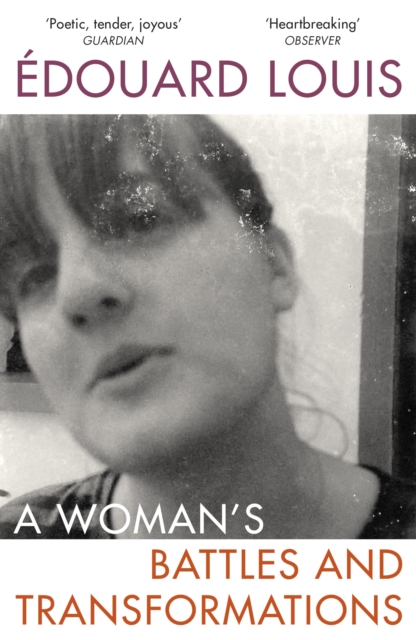
A Woman’s Battles and Transformations
3.690 kr.One day, Édouard Louis finds a photograph of his mother from twenty years ago: a happy young woman, full of hopes and dreams. But growing up, Édouard only knew his mother’s sadness – what happened in those years since the photo was taken? Then, at the age of forty-five, Édouard’s mother frees herself from this life of oppression, to start a new one in Paris.
A Woman’s Battles and Transformations reckons with the cruel systems that govern our lives – and with the possibility of escape. It is a tender portrait of a mother, and an honouring of her self-discovery as she chooses to live on her own terms.
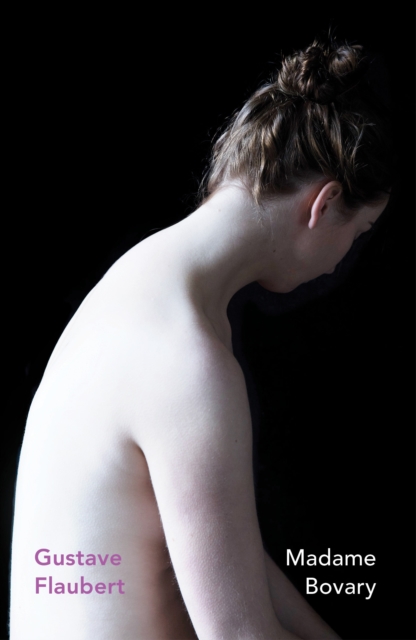
Madame Bovary
3.490 kr.This is the story of Emma, trapped in a disappointing marriage with a dull country doctor, she dreams for a life more like the sentimental novels she reads. In an attempt to break from the drab reality of her provincial life in Normandy, Emma takes a lover, and disaster soon follows. Greedy, delusional and selfish, the character of Emma Bovary scandalised readers from the novel’s first publication in 1857, yet her magnetism is undeniable.
A landmark work in modern realism, Madame Bovary vibrates with the inner life of a woman hungry for more. Meet ten of literature’s most iconic heroines, jacketed in bold portraits by female photographers from around the world.
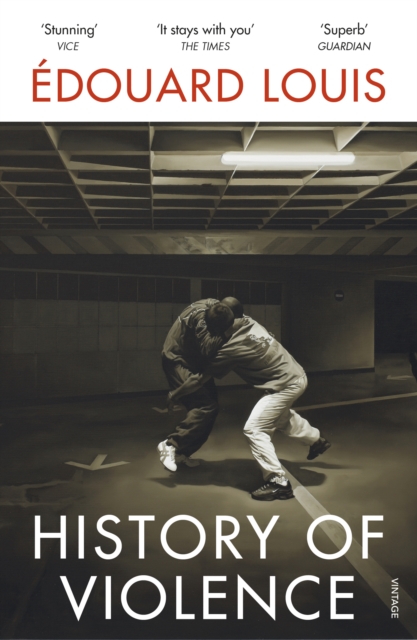
History of Violence
3.490 kr.I met Reda on Christmas Eve 2012, at around four in the morning. He approached me in the street, and finally I invited him up to my apartment.
He told me the story of his childhood and how his father had come to France, having fled Algeria. We spent the rest of the night together, talking, laughing. At around 6 o’clock, he pulled out a gun and said he was going to kill me.
He insulted me, strangled and raped me. The next day, the medical and legal proceedings began. History of Violence retraces the story of that night, and looks at immigration, class, racism, desire and the effects of trauma in an attempt to understand a history of violence, its origins, its reasons and its causes.
Who Killed My Father
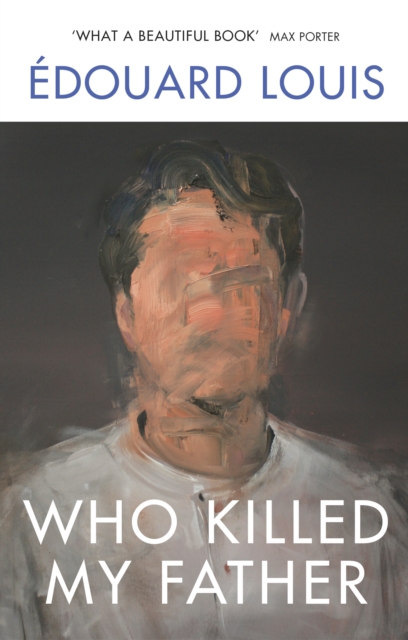
3.490 kr.In Who Killed My Father, Édouard Louis explores key moments in his father’s life, and the tenderness and disconnects in their relationship.
Told with the fire of a writer determined on social justice, and with the compassion of a loving son, the book urgently and brilliantly engages with issues surrounding masculinity, class, homophobia, shame and social poverty. It unflinchingly takes aim at systems that disadvantage those they seek to exclude – those who have their expectations, hopes and passions crushed by a society which gives them little thought.
The End Of Eddy
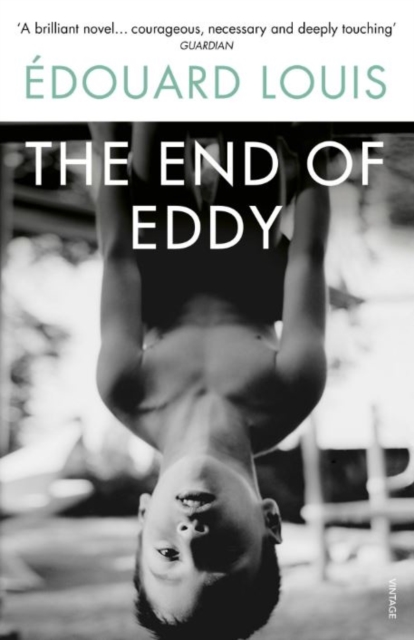
3.490 kr.Édouard Louis grew up in a village in northern France where many live below the poverty line. His bestselling debut novel about life there, The End of Eddy, has sparked debate on social inequality, sexuality and violence. It is an extraordinary portrait of escaping from an unbearable childhood, inspired by the author’s own.
Written with an openness and compassionate intelligence, ultimately, it asks, how can we create our own freedom?
Like Love: Essays and Conversations
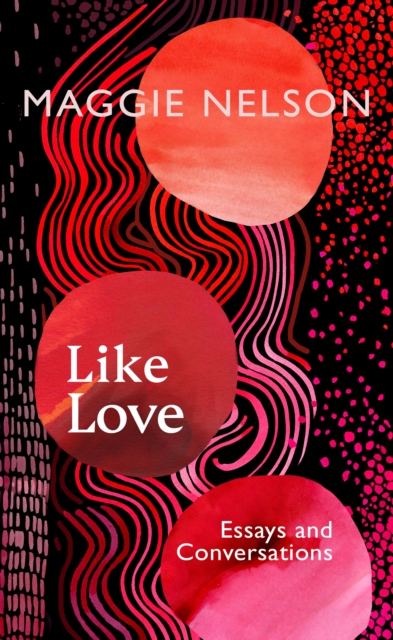
3.690 kr.Like Love is a momentous, raucous collection of essays drawn from twenty years of Maggie Nelson’s brilliant work. These profiles, reviews, remembrances, tributes and critical essays, as well as several conversations with friends and idols, bring to life Nelson’s passion for dialogue and dissent. The range of subjects is wide – from Prince to Carolee Schneemann to Matthew Barney to Lhasa de Sela to Kara Walker – but certain themes recur: intergenerational exchange; love and friendship; feminist and queer issues, especially as they shift over time; subversion, transgression and perversity; the roles of the critic and language in relation to visual and performance arts; forces that feed or impede certain bodies and creators; and the fruits and follies of a life spent devoted to making.
Arranged chronologically, Like Love shows the writing, thinking, feeling, reading, looking and conversing that occupied Nelson while writing iconic books such as Bluets and The Argonauts. As such, it is a portrait of a time, an anarchic party rich with wild guests, a window into Nelson’s own development and a testament to the profound sustenance offered by art and artists.
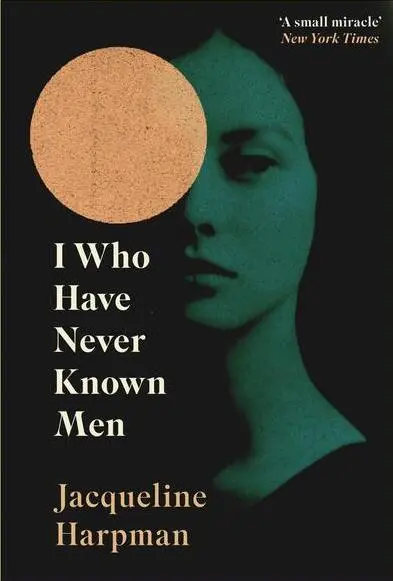
I Who Have Never Known Men
3.490 kr.Deep underground, thirty-nine women are kept in isolation in a cage. Above ground, a world awaits. Has it been abandoned? Devastated by a virus?
Watched over by guards, the women have no memory of how they got there, no notion of time, and only vague recollection of their lives before.
But, as the burn of electric light merges day into night and numberless years pass, a young girl – the fortieth prisoner – sits alone an outcast in the corner. Soon she will show herself to be the key to the others’ escape and survival in the strange world that awaits them above ground.
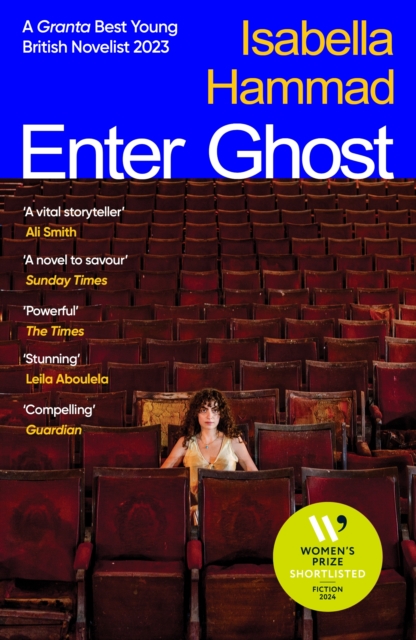
Enter Ghost
3.490 kr.After years away from her family’s homeland, and reeling from a disastrous love affair, actress Sonia Nasir returns to Haifa to visit her older sister Haneen. On her arrival, she finds her relationship to Palestine is fragile, both bone-deep and new.
When Sonia meets the charismatic Mariam, a local director, she joins a production of Hamlet in the West Bank. Soon, Sonia is rehearsing with a dedicated, if competitive, group of men – yet as opening night draws closer, it becomes clear just how many obstacles stand before the troupe. Amidst it all, the life she once knew starts to give way to the exhilarating possibility of finding a new self in her ancestral home.