
Nymph
3.990 kr.Not yet thirty, Bathory has assembled a peculiar résumé: model, sex worker, linguist, Latin scholar, and assassin. The last of these has been the family trade for generations. Growing up, Bathory, her mother, and her father made an isolated, strange, and loving – if very unusual – family unit. Her lonely childhood games mimicked spycraft and wet-work, while her parents watched and shared their arcane theories about love and death.
As a student in New York, her life changes on accepting a job at a dilapidated card shop in Manhattan. This is a front for an agency that allows her to put her inherited skills to use while pursuing romance in the city.
However, steering clear of attachment is as dangerous as anything else she does and means sidestepping a certain alluring figure from her father’s past. She is equally intent on dying young, a less difficult proposition given her heritage, the company she keeps – call girls, conflicted cops, trustfund hoodlums – and the people pursuing her.
Will Bathory escape both fate and family, or does satisfaction and salvation lie only in their embrace?

Enshittification
5.990 kr.First, the platform attracts users with some bait, such as free access; then the activity is monetized, bringing in the business customers and degrading the user experience; then, once everyone is trapped and competitors eradicated, the platform wrings out all the value and transfers it to their executives and shareholders. As a result, online public squares have become places of torment, and online retailers are hellish dumpster fires. The virtual gathering places where we once imagined the world’s problems might be resolved are now a sewer of hatred and abuse – thoroughly enshittified.
Doctorow enumerates the symptoms, lays out the diagnosis, and identifies the best responses to these diseased platforms: the monopolies online must be shattered. Companies too big to fail or to jail – and much too big to care – must be cut down to size. Only an attack on corporate power will permit effective regulation and real privacy.
Tech unions must protect the workers who should, in turn, defend us against their bosses’ sadism and greed. Praise for The Internet Con:”One of the Internet’s most interesting writers.” — Edward Snowden”This book fills me with hope that a radical yet plausible alternative to computational tyranny can be developed and deployed.” — Douglas Rushkoff, author of Survival of the Fittest”This book is the instruction manual Big Tech doesn’t want you to read. It deconstructs their crummy products, undemocratic business models, rigged legal regimes, and lies.
A Seventh Man
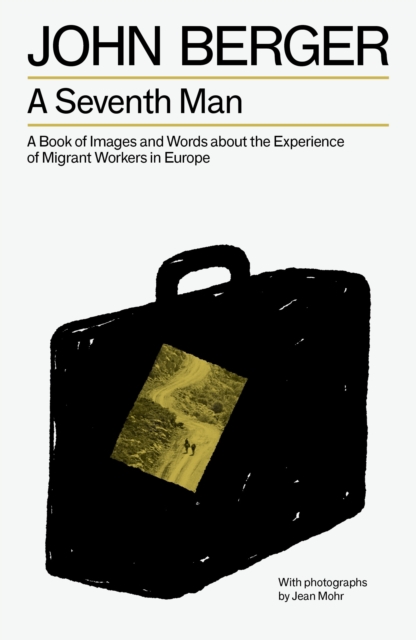
3.690 kr.First published in 1975, this finely wrought investigation remains as urgent as ever, presenting the life of those who have travelled to live and work in Europe. Art critic, novelist, and artist John Berger brings humanity and a voice to those silenced in the political debate about who does and doesn’t belong. Why does the Western world look to migrant labourers to perform the most menial tasks? What compels people to leave their homes and accept this humiliating situation? In A Seventh Man, Berger and Jean Mohr come to grips with what it is to be a migrant worker – the material circumstances and the inner experience – and, in doing so, reveal how the migrant is not so much on the margins of modern life but at its centre.
From A to X: A Story in Letters
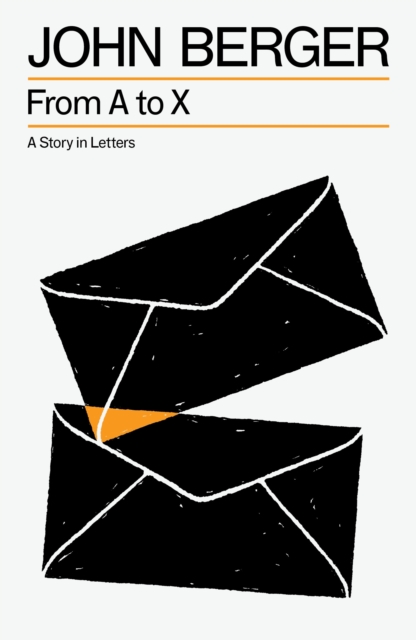
3.690 kr.From A to X is a powerful exploration of how humanity affirms its highest values through struggle. John Berger presents a community which, besieged by economic and military oppression, finds transcendent hope in the pain, fragility, vulnerability and sorrow of daily existence.
Road to October 7 : A Brief History of Palestinian Islamism
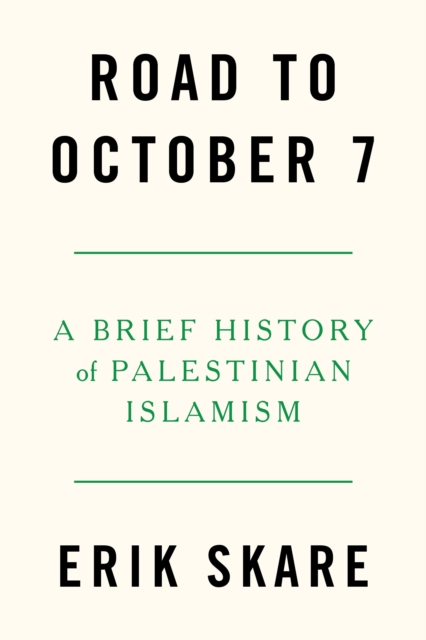
4.690 kr.In Road to October 7, Erik Skare argues that Palestinian Islamism is far more complex and dynamic than generally assumed. The phenomenon has continuously developed through disputes between moderates and hardliners. These struggles have largely been settled by external drivers – intra-Palestinian competition, Israeli violence and repression, or shifts in the regional power balance.
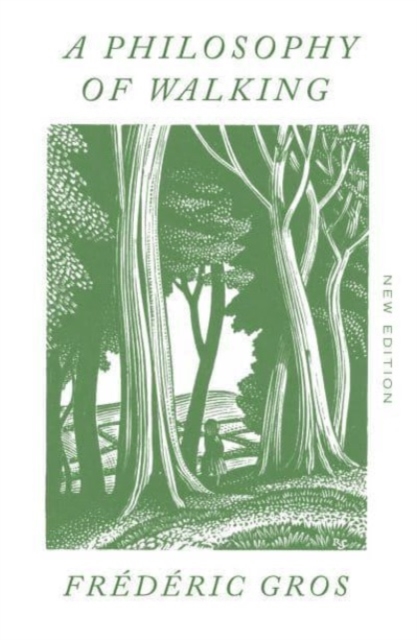
A Philosophy of Walking
3.690 kr.In this French bestseller, leading thinker and philosopher Frédéric Gros charts the many different ways we get from A to B—the pilgrimage, the promenade, the protest march, the nature ramble—and reveals what they say about us.
Gros draws attention to other thinkers who also saw walking as something central to their practice. On his travels he ponders Thoreau’s eager seclusion in Walden Woods; the reason Rimbaud walked in a fury, while Nerval rambled to cure his melancholy. He shows us how Rousseau walked in order to think, while Nietzsche wandered the mountainside to write. In contrast, Kant marched through his hometown every day, exactly at the same hour, to escape the compulsion of thought. Brilliant and erudite, A Philosophy of Walking is an entertaining and insightful manifesto for putting one foot in front of the other.